
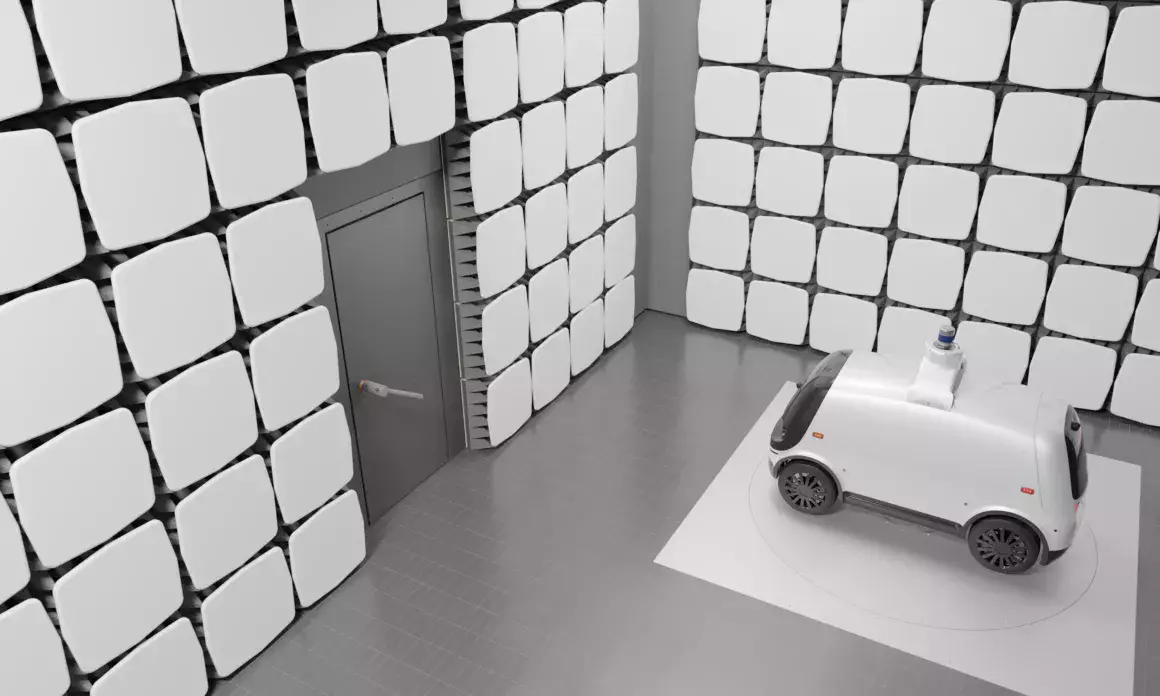
Electromagnetic Compatibility (EMC) refers to the ability of electronic devices to operate in their environment without emitting intolerable electromagnetic disturbances or being unduly affected by external interference.
EMC encompasses two main aspects: emissions, which are the disturbances a device generates, and immunity, which is a device’s tolerance to external disturbances. Regulatory compliance ensures devices coexist without mutual interference, essential in environments dense with electronic equipment.
This guide demystifies EMC and EMI/RFI, equipping you with foundational knowledge to make informed decisions about EMC testing technologies and certification processes.
EMC encompasses two main aspects: emissions, which are the disturbances a device generates, and immunity, which is a device’s tolerance to external disturbances. Regulatory compliance ensures devices coexist without mutual interference, essential in environments dense with electronic equipment.
This guide demystifies EMC and EMI/RFI, equipping you with foundational knowledge to make informed decisions about EMC testing technologies and certification processes.
主题概述
What Is EMC, EMI, & RFI?
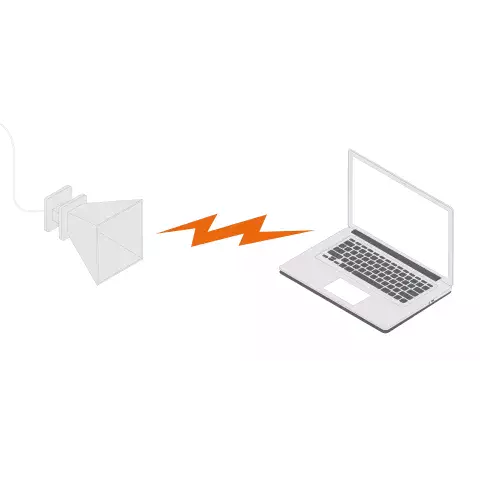
Electromagnetic Compatibility (EMC), Electromagnetic Interference (EMI), and Radio-Frequency Interference (RFI) are key concepts in managing how electronic devices interact with electromagnetic environments. EMC refers to a product’s ability to function reliably without emitting disruptive electromagnetic energy (emissions) or being adversely affected by external interference (immunity).
EMI is the unwanted disturbance caused by electromagnetic signals—whether conducted (via cables) or radiated (through the air) — that can degrade performance or cause malfunctions. RFI is a subset of EMI, specifically involving interference at radio frequencies, often disrupting wireless communications or sensitive electronics. Together, these principles ensure safe, compliant, and interference-free operation of devices in shared electromagnetic spaces.
EMC Standards
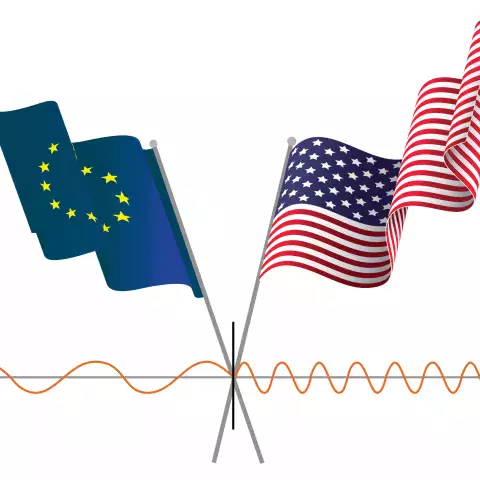
EMC standards are different around the world. There are a plethora of different regulatory agencies and standards bodies involved with EMC standards. Hence, it is not always straightforward to determine which EMC standards are relevant for a given product in a given market. In most cases, EMC standards vary based on the geographical region, market, and each of these regions or markets may have different regulations based on the industry or application the product is intended for.
EMC Emissions
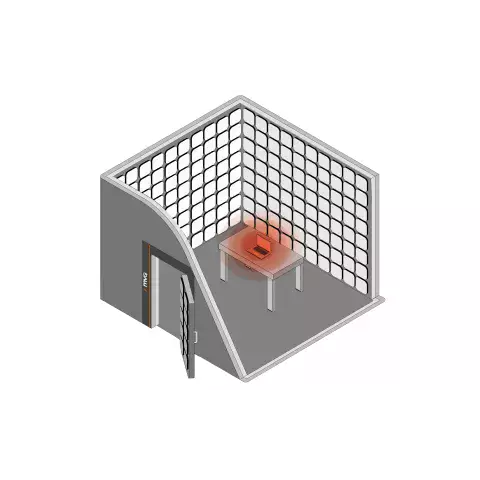
EMC Emissions testing is often considered the pinnacle of EMC testing in terms of how critical it is in getting a product certified for market. Virtually every region in the world has radiated emissions limits standards, with some wide variation depending on the application and where the equipment is intended to be used.
EMC Immunity
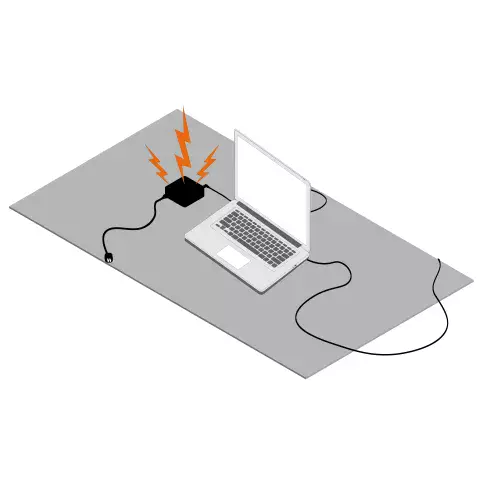
Every electrical and electronic produces electromagnetic emissions, both radiated and conducted (if another conductive structure is in close enough proximity). Radiated emissions can occur from any non-DC signal stimulating a significantly long conductor, which then is acting as an antenna transducing conducted electrical signals into EM signals, or radiated emissions.

EMC Testing Tools
There are many reasons for a business or laboratory having access to EMC testing tools. The main reason would be for precompliance testing of a business's products during development. Precompliance testing, is a catch-all term that is applied to all EMC testing that is done prior to official EMC testing. EMC testing must be performed by an accredited EMC test facility to very stringent standards.