
Billions of electrical and electronic devices are manufactured globally each year. Among these, many serve critical functions in sectors such as defense, public safety, emergency response, government services, and aerospace. Beyond these, a vast array of devices supports industries like automotive, marine, consumer electronics, and industrial systems. To manage the complexity and scale of this ecosystem, most countries enforce strict regulations governing the design, production, and operation of electronic systems. These standards are applied throughout the product lifecycle—from initial design and quality control to market release and ongoing use. Some nations collaborate on unified standards, while others adopt or adapt regulations based on international best practices. These frameworks are essential for mitigating electromagnetic interference (EMI) and radio frequency interference (RFI), collectively addressed through electromagnetic compatibility (EMC) standards. This blog series aims to demystify EMC and EMI/RFI, equipping readers with foundational knowledge to make informed decisions about EMC testing technologies and certification processes.
What is EMI/RFI
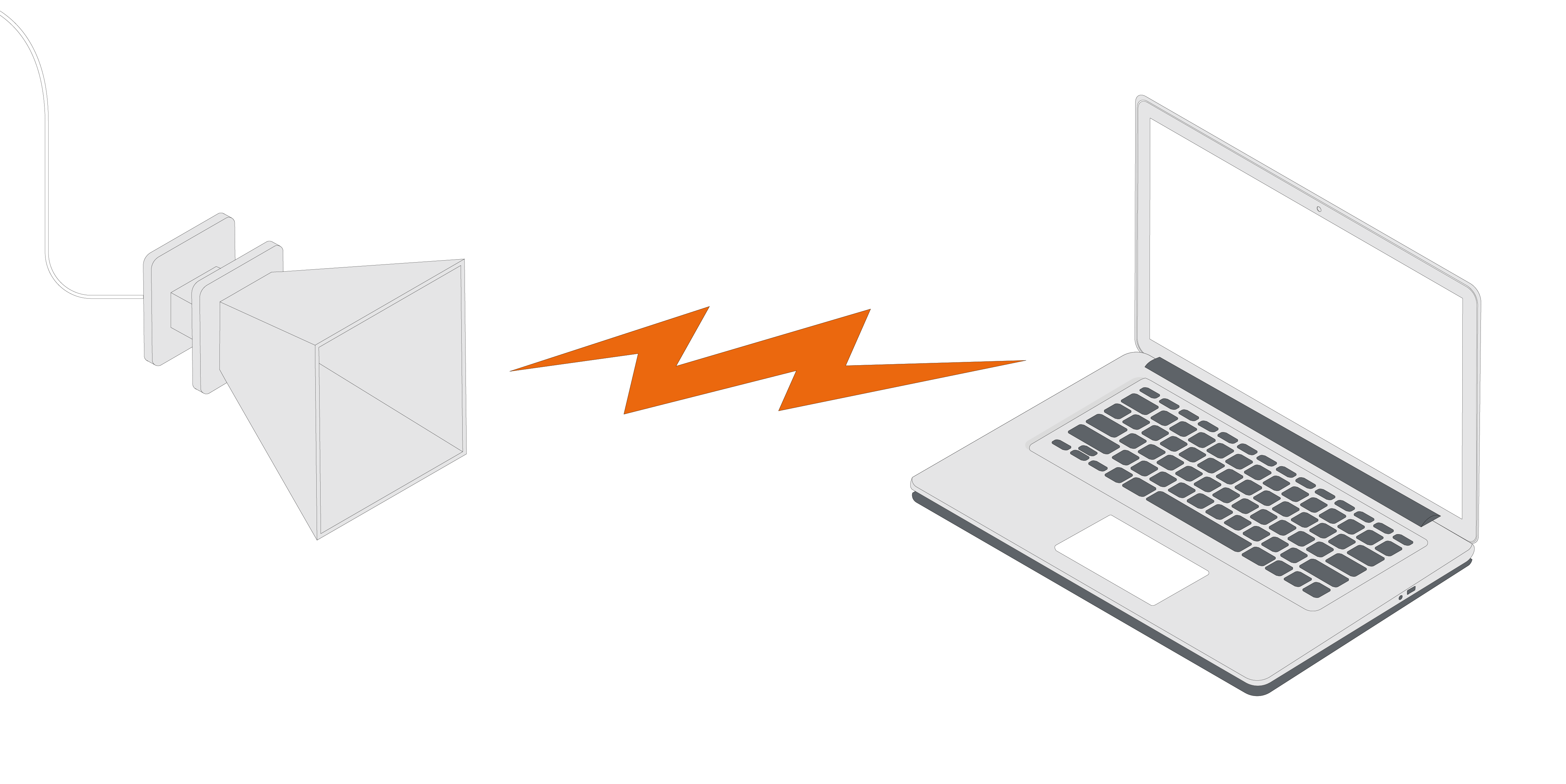
- Electromagnetic Interference (EMI) refers to any unwanted electrical or electromagnetic energy present within a system. EMI can originate externally—conducted or coupled into the system—or internally, known as self-interference. Devices may also emit EMI that affects other systems through conduction, coupling, or radiation.
- Natural sources of EMI include:
+ Solar flares and coronal mass ejections (which cause auroras)
+ Lightning strikes
+ Static electricity
+ Other atmospheric phenomena
- Man-made sources include:
+ Telecommunications and broadcast equipment
+ Radar systems
+ Electrical power infrastructure
+ Engines and electric motors
- Radio Frequency Interference (RFI) is a subset of EMI that specifically impacts radio frequency systems, such as communication and sensing technologies. The International Telecommunication Union (ITU) defines RFI as the effect of unwanted energy—via emissions, radiation, or induction—that degrades performance or causes data loss in radio systems.
- RFI is particularly concerning for systems used in:
+ Public safety communications (e.g., LMR, LTE)
+ Wireless technologies (Bluetooth, Wi-Fi, Zigbee)
+ Navigation systems (e.g., GPS)
- RFI sources may be:
+ Intentional: jamming devices, misconfigured radios
+ Unintentional: outdated or poorly designed electronics, faulty signal boosters, high-voltage lighting systems
Why does EMC exist ?
- EMC standards ensure that electronic systems:
+ Limit emissions within defined frequency and power thresholds
+ Maintain immunity to external electromagnetic phenomena
- Without EMC certification, users and consumers have no reliable way to assess whether a device meets legal and operational requirements for a given region. These standards are crucial for maintaining safe, interference-free environments—especially where electronic density is high.
What is EMC testing/certification
- EMC testing involves subjecting a device to rigorous evaluations to verify compliance with regional or international EMC standards. These tests assess both:
+ Emissions: Does the device emit electromagnetic energy within acceptable limits?
+ Immunity: Can the device function properly when exposed to external interference?
- Devices that pass EMC testing receive certification, often marked by an official insignia or stamp. This certification is typically required for legal sale and operation in specific markets.
- Due to the complexity of EMC requirements, first-time pass rates can be low—often around or below 50%—highlighting the importance of thorough design and pre-compliance testing.
Topic overview