
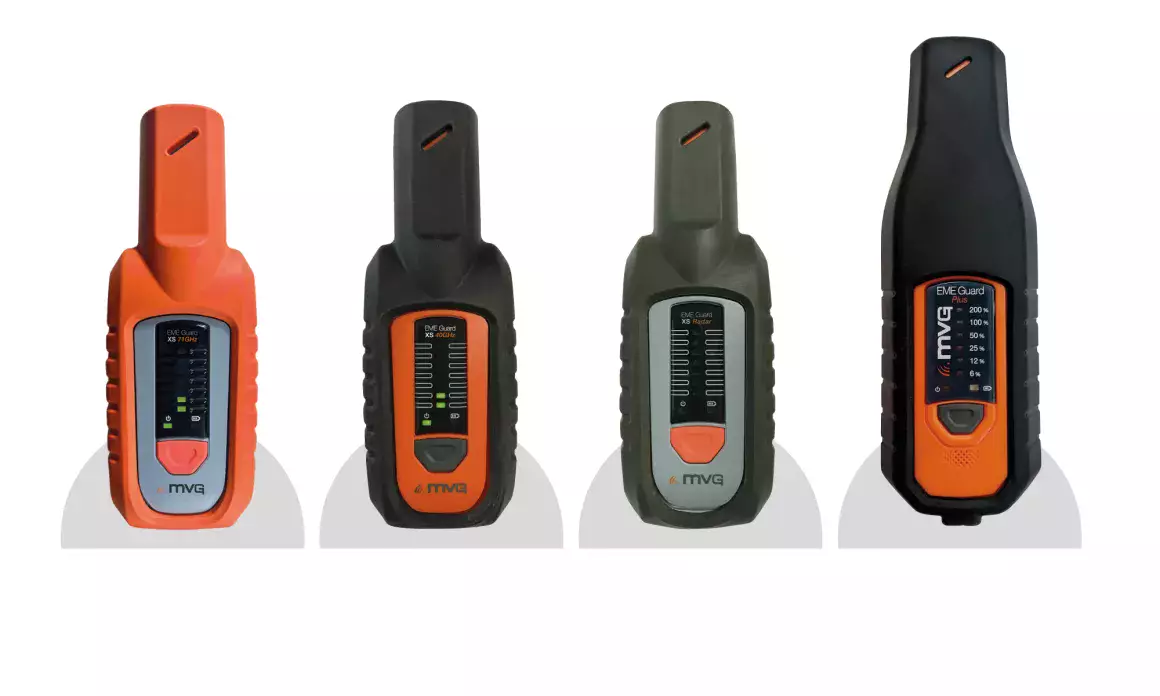
This RF Safety Guide serves as a comprehensive resource for understanding the critical aspects of radio frequency (RF) safety in modern environments. With the increasing reliance on technologies like 5G, IoT, and telecommunications systems, RF safety has become more crucial than ever. The guide covers essential topics such as the importance of limiting RF exposure, the role of exclusion zones in protecting workers and the public, and the tools and methods used for accurately measuring RF fields. It also highlights best practices for safely working near transmitting antennas and outlines the key considerations for choosing an RF safety monitor. Furthermore, the guide addresses public concerns surrounding 5G, offering insights into how transparent communication and monitoring can help alleviate fears about RF exposure.
Introduction to RF and Why Limit Exposure What is RF?
This RF Safety Guide serves as a comprehensive resource for understanding the critical aspects of radio frequency (RF) safety in modern environments. With the increasing reliance on technologies like 5G, IoT, and telecommunications systems, RF safety has become more crucial than ever. The guide covers essential topics such as the importance of limiting RF exposure, the role of exclusion zones in protecting workers and the public, and the tools and methods used for accurately measuring RF fields. It also highlights best practices for safely working near transmitting antennas and outlines the key considerations for choosing an RF safety monitor. Furthermore, the guide addresses public concerns surrounding 5G, offering insights into how transparent communication and monitoring can help alleviate fears about RF exposure.
Public Safety and 5G Concerns
As the deployment of 5G technology continues to accelerate worldwide, public concerns regarding RF exposure have risen. Unlike previous mobile generations, 5G operates on higher frequency bands, such as millimeter waves, which has sparked fears about potential health risks associated with prolonged exposure to RF radiation. These concerns are further amplified by the increased density of small cell antennas used to support the 5G network infrastructure, particularly in urban areas. Despite extensive scientific studies and reassurances from regulatory bodies like the World Health Organization (WHO) and ICNIRP, public skepticism remains. Addressing these concerns through transparent communication and the use of real-time RF monitoring tools is essential to reassure communities and build trust in this new technology. This section delves into the public’s concerns and the role of accurate RF monitoring in maintaining safety and trust during the 5G rollout.
Understanding exclusion zones and where limits may exceed
Working in environments with strong RF emissions requires a solid understanding of where exposure limits might be exceeded. Exclusion zones are established around RF-emitting equipment, such as antennas, to protect both workers and the general public from harmful electromagnetic radiation. These zones define areas where RF levels exceed regulatory limits and help ensure that safety protocols are maintained. Properly identifying and respecting exclusion zones is crucial, as exposure risks can vary depending on proximity to the RF source and the power output of the equipment. Whether in a telecommunications hub, broadcasting tower, or industrial environment, exclusion zones serve as the first line of defense against unintentional RF overexposure. In this section, we’ll explore how exclusion zones are defined, and where RF exposure limits are most likely to be exceeded, to ensure that everyone remains safe around RF sources.
Tools and Methods for Measuring RF Exposure
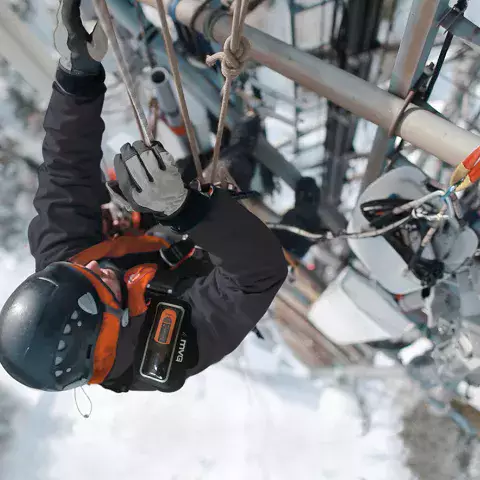
Accurately measuring RF exposure is a cornerstone of RF safety. From personal monitors that provide real-time alerts to advanced probes that measure electromagnetic fields, the tools used in RF monitoring are crucial for maintaining safe environments. In this section, we explore the different types of monitoring devices and how they ensure that workers remain within safe exposure limits.
Best practices for working around transmitting antennas
Maintaining safety around transmitting antennas requires more than just awareness; it demands structured practices and the proper use of monitoring tools. In this section, we outline best practices for working safely in high-RF environments, emphasizing the importance of real-time monitoring, worker training, and adherence to safety protocols.
Key Considerations for Choosing an RF Safety Monitor
Selecting the right RF safety monitor is critical for ensuring worker protection in high-RF environments. This section discusses the key features to look for in a monitor, such as real-time alerts, ruggedness, and compliance with safety standards, along with additional capabilities that enhance usability and safety.